Browse Product Lines
Build a size matrix around service description, tread application and the quantities you intend to buy.
Open CatalogAn independent sourcing desk for passenger, light truck and commercial tire programs. Start with a catalog line or send us the specification you already have.
Build a size matrix around service description, tread application and the quantities you intend to buy.
Open CatalogSend the size, load index, speed rating, tread requirements, target market and destination port for quote comparison.
Start an RFQKeep each application on its own line so the supplier responds against the same requirements.

Record size, load index, speed rating and intended season or climate.
Browse tire sourcing →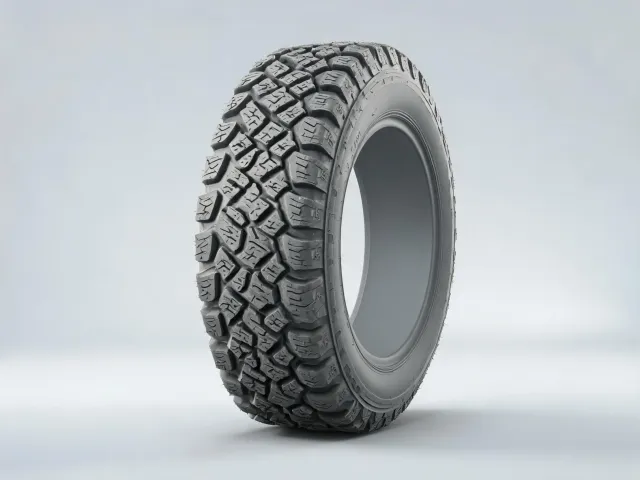
Identify paved and unpaved duty, rim diameter, expected loads and replacement intervals.
Browse tire sourcing →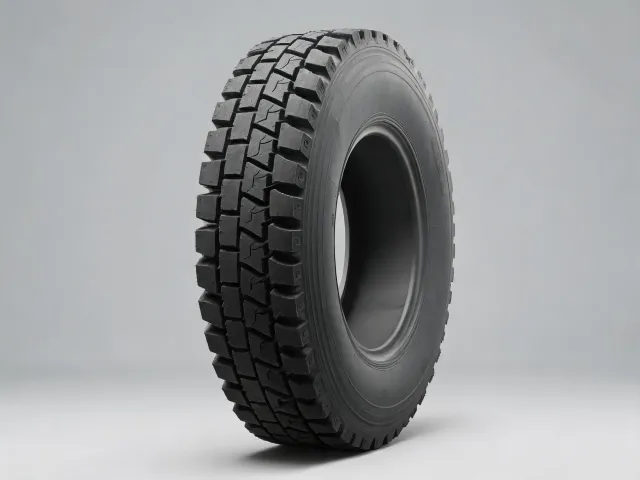
Separate steer, drive and trailer requests, with load information and route profile for each.
Browse tire sourcing →Mark fixed requirements and substitutions separately. Put any unknown load index, speed rating or destination-market constraint on the open-item list.
Compare supplier item codes with sample sidewall photographs, test report scope and the lot identifiers planned for inspection.
Match quantities by size to the packing list. Record the named trade term, shipment documents and the party responsible for each handoff.
Match the offered item code, product description and stated production location to the quotation and scope of the supplied records.
Use sidewall images and the agreed inspection sheet to confirm the tire size, service description, tread and identifiers.
Record issuer, document number, model coverage and destination. A quality-system certificate and a product report answer different questions.
Define the lot, sample selection, test method and reporting party before requesting inspection.
Record accepted deviations against a dated specification and keep unapproved alternatives separate.
Reconcile product codes and counts with the supplier packing list before the freight handoff.
Compare a supplier-confirmed stock line against your required tread and service description. A custom program can target a narrower specification, with sample approval, production scheduling and SKU-specific order minimums to confirm.
Agree on the intended route and load, then request comparable methods and test conditions. A rolling-resistance figure on its own cannot settle wet grip or tread-life trade-offs across applications.
Check each SKU, report revision, market and claim. A supplier management-system certificate does not establish approval for every tire listed in a mixed order.
A single supplier simplifies change control. A multi-supplier plan may cover more sizes, but adds lot tracking, packing-list reconciliation and timing dependencies at consolidation.
A size list with quantities and a target market gives us a basis to clarify requirements before requesting comparable quotes.